
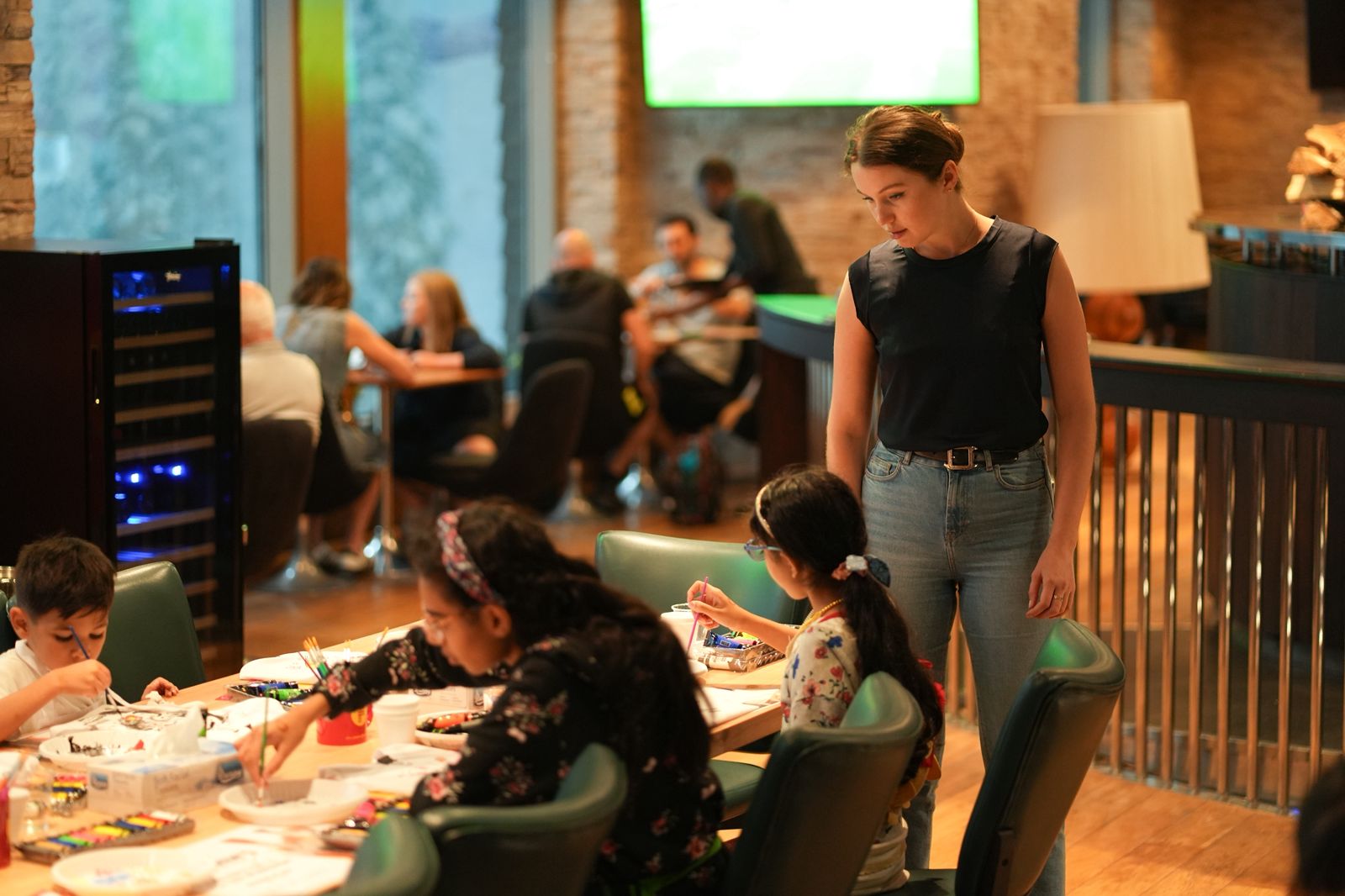
If you've ever found yourself negotiating with a nine-year-old over twenty more minutes of YouTube at 7pm on a Tuesday, you're not alone. Screen time is one of the most common frustrations among expat parents in Dubai, and honestly, the city doesn't make it easy. The heat keeps kids indoors for months at a time, the traffic makes after-school activities exhausting, and the sheer availability of entertainment on every device means boredom barely gets a chance to exist.
But boredom, it turns out, is exactly what children need more of.
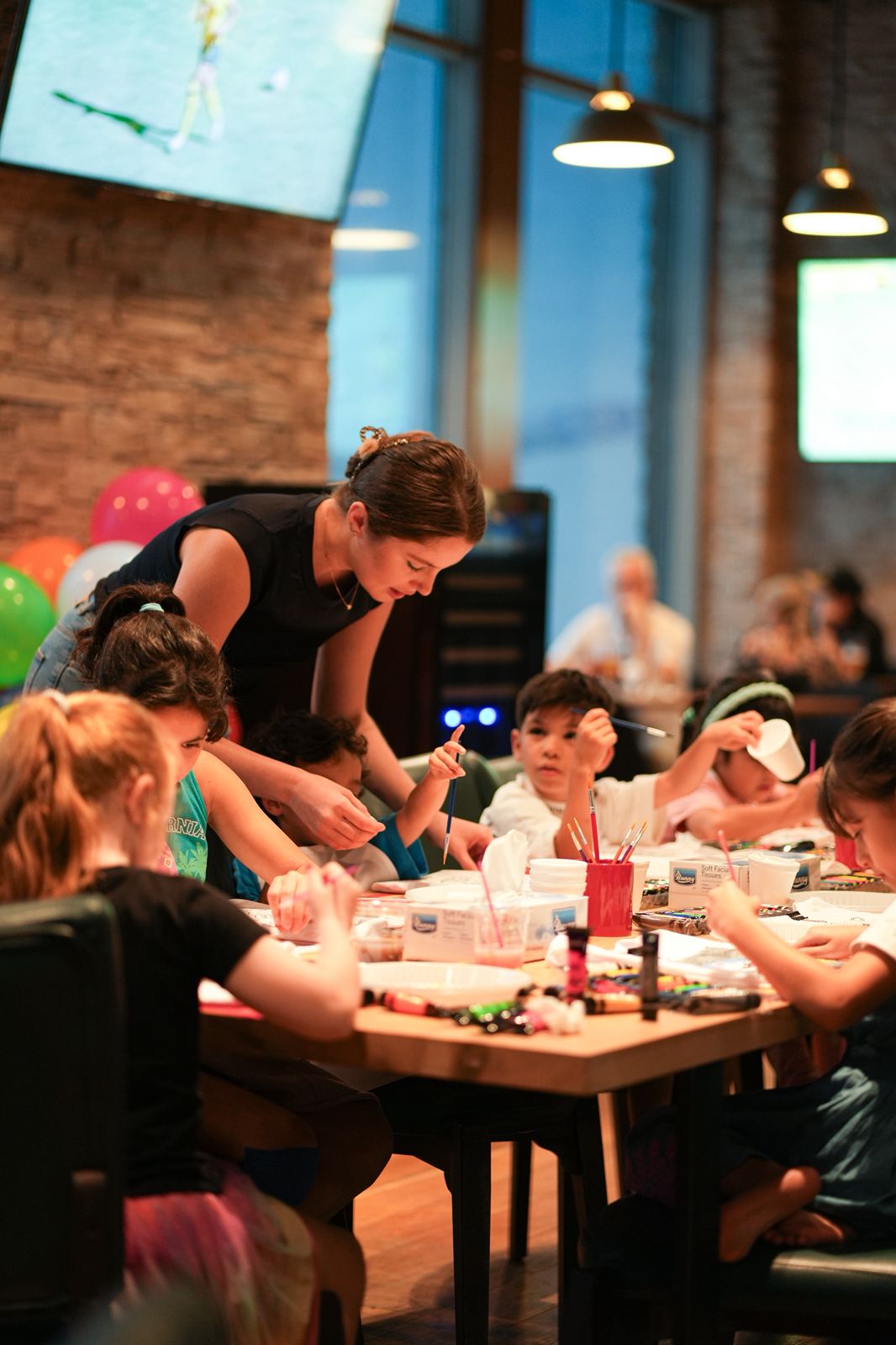
Why screens win so easily in Dubai
Most parents aren't losing the screen time battle because they're not trying hard enough. They're losing it because the alternatives require too much friction. Driving to an activity in Dubai Marina at 4pm on a Wednesday is not a small ask. Add two kids with different schedules, homework, and the general chaos of expat life, and the iPad starts to look like the path of least resistance every single time.
The problem isn't willpower. It's logistics.
Which is why the families who seem to crack this tend to have one thing in common: they bring the alternative to the child rather than the other way around.
What actually works instead of screens
The goal isn't to ban screens entirely. That's a battle nobody wins and it tends to make devices feel more desirable, not less. The goal is to give children something that genuinely competes. Something absorbing enough that they don't reach for a device because they're already completely engaged.
A few things that consistently work for Dubai families:
Physical and tactile activities. Children, especially under twelve, are still very much sensory creatures. Anything that involves their hands, such as building, cooking, drawing or painting, tends to hold attention in a way that passive screen consumption doesn't. There's also a satisfaction in making something real that a game or video simply can't replicate.
Creative work with visible progress. One of the reasons screens are so compelling is that they provide constant feedback. Children need that same sense of advancement in whatever replaces it. Art works particularly well here because the progress is literal and visible. A child who keeps their drawings from six months ago and compares them to today doesn't need to be told they've improved. They can see it.
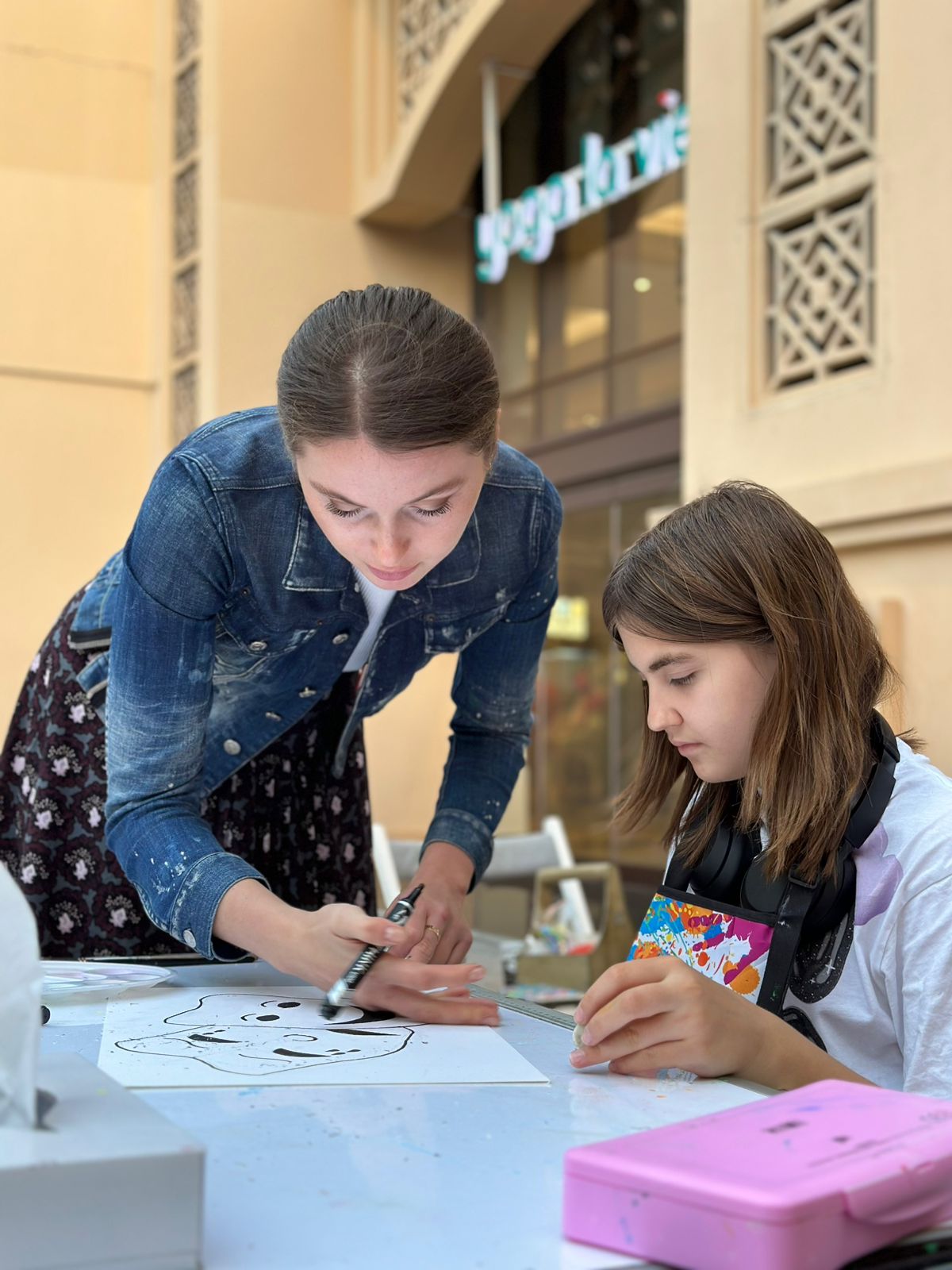
Routine rather than restriction. Telling a child they can't have screens rarely works long term. Building a week where screens have a natural place alongside other things works much better. When painting happens every Tuesday and it's something they genuinely look forward to, it becomes part of the rhythm of the week rather than a negotiation.
One-on-one attention. This is the one most parents underestimate. A significant part of what screens provide is stimulation and engagement. When a child has an adult's full, genuine attention, not a parent half-watching while answering emails but real focused presence, the pull of a device almost disappears. It's why activities with a dedicated instructor tend to work so well even for children who claim they're not interested.
The Dubai-specific challenge nobody talks about
Most advice about screen time comes from places where kids can run outside after school for two hours. Dubai in summer is 45 degrees. Even in cooler months, outdoor play in apartment communities is limited in ways that simply don't apply to a house with a garden in Surrey or a neighborhood in Toronto.
This changes the equation. Indoor alternatives have to be genuinely good, not just acceptable. And they have to be convenient enough to actually happen consistently, not just in theory.
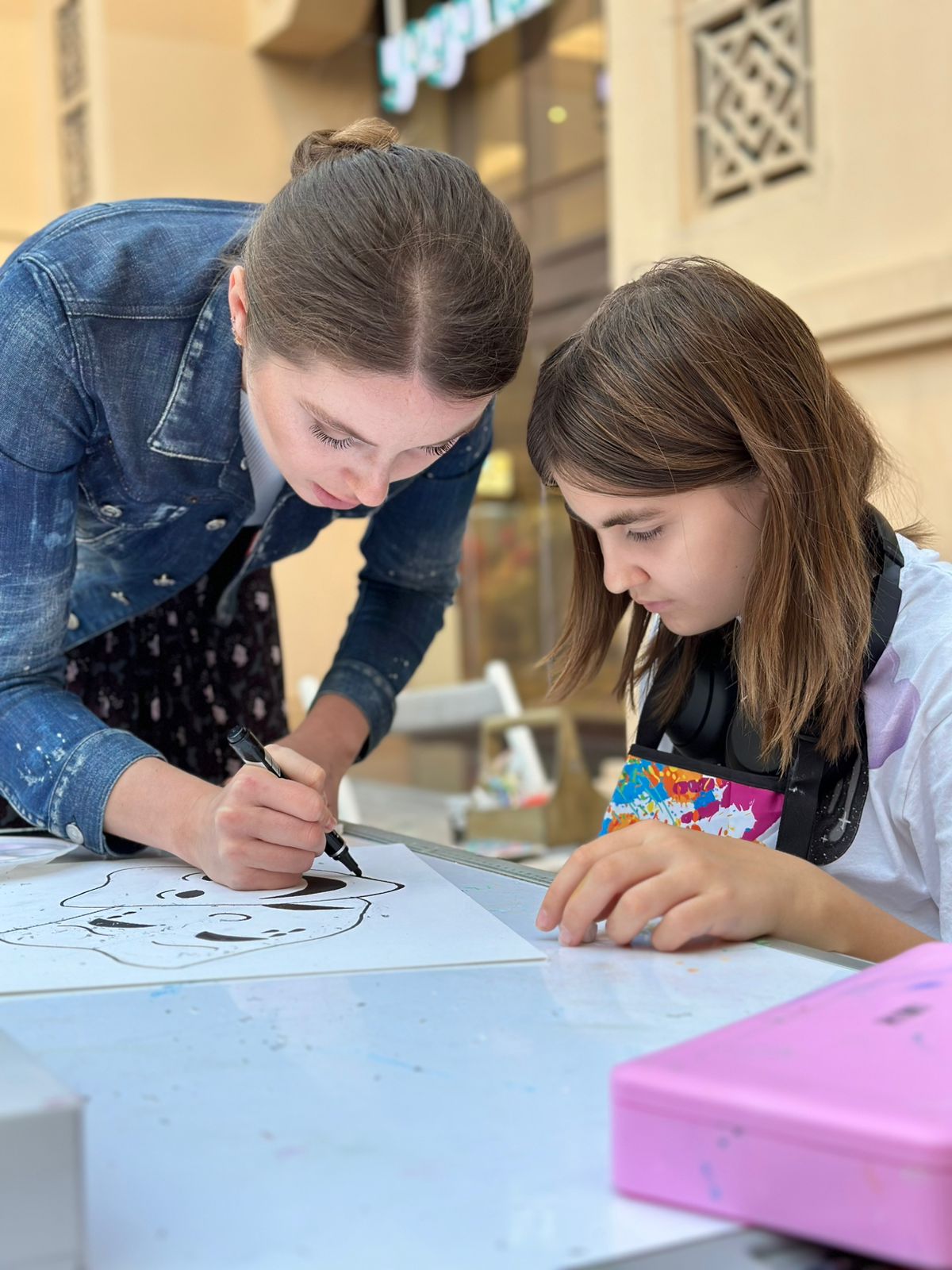
This is something we think about a lot at Dolce Arty. The whole model is built around the reality of Dubai life. Bringing a proper art session for kids directly to your home means there's no commute, no double-parking outside a studio, no rushing from school. Just an instructor arriving with everything needed and a child who gets to create something in their own space. For a lot of families, that small shift in logistics is what makes it actually happen week after week rather than being something they try twice and abandon.
What the research says about creative activities and screen time
Studies on children's media habits consistently show that the most effective way to reduce screen time isn't restriction. It's replacement. Children who have regular creative outlets, particularly ones that involve making physical things, naturally spend less time on devices without being told to. The activity fills the same psychological need for stimulation and reward but leaves them with something more than a high score or a finished episode.
Art specifically has shown benefits beyond just keeping screens at bay. Fine motor development, emotional regulation, focus, patience, the ability to tolerate the discomfort of something not going right. All of these are things that show up in children who create regularly. Parents often report noticing changes in behaviour and temperament before they notice changes in the artwork itself.
A practical starting point
If you want to shift the balance at home, start with one day a week rather than trying to restructure everything at once. Pick a time that currently defaults to screens, such as after school, after dinner or Sunday morning, and replace it with something hands-on that comes to your child rather than requiring you to drive somewhere.
Give it a month. The first two or three sessions might be met with mild resistance, especially from children who are very comfortable with their devices. By week four, most parents notice that their child is asking when the next one is.
That's usually the moment the dynamic shifts.